
1. Every model, all at once
In four weeks we have seen Gemini 3.5 land (with live translation included), Anthropic’s Claude Mythos, xAI’s ever-elusive Grok 5 and rumors of everything else. It feels like an all-you-can-eat buffet where they serve you a new dish before you have finished the last one. The calm takeaway: ten models launching a month does not mean you have to change providers ten times a month. The competitive edge is no longer in “using the latest model”, but in having an architecture that lets you swap models without the whole house falling down (something that connects with the risk of the AI agents you already have deployed). (Spoiler: that is designed, not improvised.)2. The chip war has gotten interesting
OpenAI launched its first in-house chip, IBM presented sub-nanometer technology (yes, we are now measuring in units that sound like science fiction), Qualcomm has entered the AI data center market hand in hand with Meta… and China responded by releasing an open model with one trillion parameters trained entirely on domestic chips. Translation: hardware is center stage again. Token costs, energy and data center capacity are now boardroom conversation, not just nerd talk (with love, we are among your own).3. Governments have entered the chat
The US asked OpenAI to delay the public launch of its new model until it passed safety reviews, and in Europe the new wave of obligations under the AI regulation comes into force on August 2. Frontier models are now reviewed almost as if they were power plants. Translation: “move fast and break things” is under review. If your company uses AI (and it does, if only because someone in marketing has ChatGPT open right now), governance and compliance are no longer optional, as the ecosystem learned in the Hugging Face case. Better to get your act together than to get fined.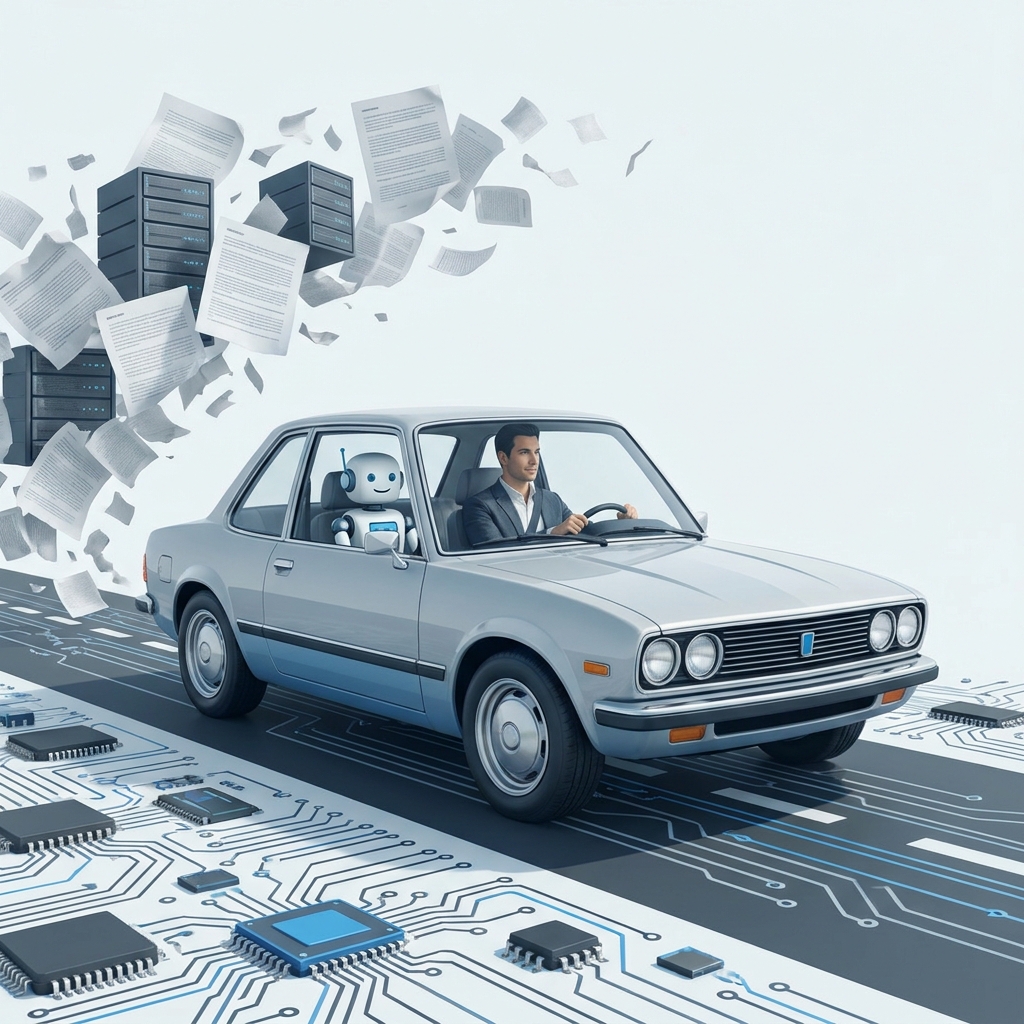
4. The great fatigue: “AI slop” and the revenge of the human
And here comes the most viral part of all. The debate that has dominated the networks is not about models or chips: it is about fatigue. People are saturated with soulless AI-generated content —what everyone already calls “AI slop”—, LinkedIn has started penalizing mass-produced artificial content, and the algorithm data confirms it: what works is long, personal content that sounds like a real person. Paradox of the year: the more AI there is, the more the human gets paid. It is like when everyone started buying industrial bread and suddenly the neighborhood artisan baker struck gold. Translation: AI is a brilliant copilot. But if you let it write, decide and publish on its own, your brand ends up sounding like the instruction manual of a toaster. The judgment, the story and the voice come from you.AI is no longer a demo: what does it mean for your business?
At BAOSS we have been saying this for a while, and June proved us right (we allow ourselves this small “we told you so” moment):- AI is no longer an experiment, it is infrastructure. And infrastructure is designed with a head on your shoulders: flexible architecture, controlled costs and security from day one.
- Regulation is on its way (in Europe, it is already parking). Anticipating is cheaper than reacting.
- Technology does not replace judgment. AI agents do the heavy lifting, people set the direction. That combination is where the real value lies.
Prefer to talk to us directly? Contact the BAOSS team and tell us about your challenge.