
Virtual assistants have stopped being simple voice-powered speakers and have become the gateway to conversational AI. A few years ago, Amazon’s Alexa, Apple’s Siri, Microsoft’s Cortana, Telefónica’s Aura, Samsung’s Bixby, Renfe’s Irene or Correos’ Sara were the best-known virtual assistant names. In 2026 the landscape is very different: Cortana disappeared as a consumer assistant in 2023, Alexa has lost prominence and the lead now belongs to generative AI conversational assistants such as ChatGPT (OpenAI), Gemini (Google), Copilot (Microsoft) and Claude (Anthropic), plus a new generation of autonomous agents that do not just answer — they execute tasks.
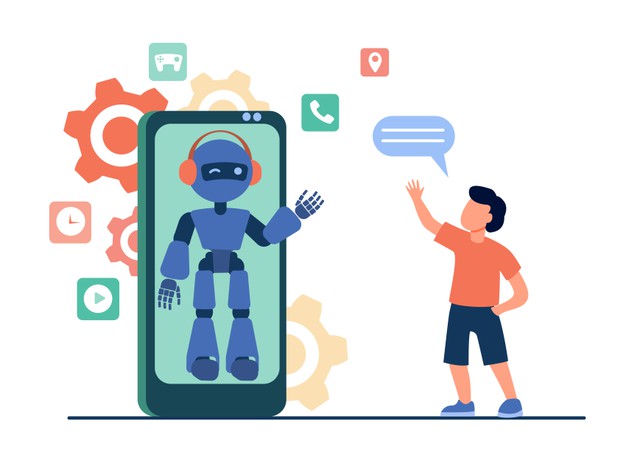
The Internet stores a vast amount of information, usually accessible through navigation links, but very often that data is not easy to find and is not integrated with a company’s systems.
For this reason, virtual assistants and AI agents now present themselves as effective tools for locating information inside and outside the web, and also for acting on it: from mobile devices and smart speakers to copilots embedded in business management software.
In this article we explain what a virtual assistant is in 2026, how it works, how the market has evolved and what companies can do with them beyond asking about the weather.
What is a virtual assistant?
A virtual assistant is a solution based on artificial intelligence that, supported by language models (LLMs) and technologies such as biometrics, makes it possible to automate tasks and processes to improve agility and serve the needs of users and customers more effectively. In 2026, the difference from the previous generation is that these systems understand natural language at a near-human level and can connect to a company’s data and applications to act, not just inform.
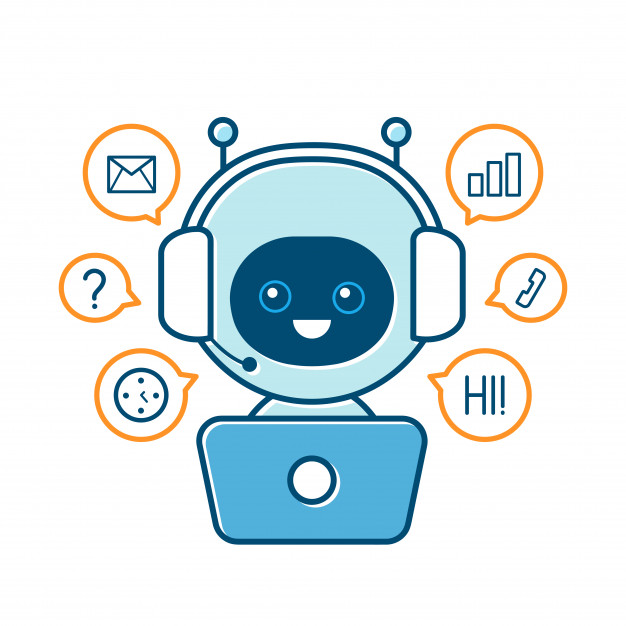
Their scope of application is highly versatile, both across industries and across channels.
Virtual assistants and AI agents have become an essential piece in the digitalization of any company, especially in sales, customer service, operations and self-service areas, where automation with governance makes the difference.
How do virtual assistants work?
They are intelligent systems that help users resolve doubts and, above all, complete tasks, combining natural language processing, language generation and the use of tools (connectors to databases, APIs and applications). Thanks to generative AI, they can hold contextual conversations and reason about business information.
One of their main advantages is that users can make requests in natural language and the assistant receives the request, interprets it, decides which actions to execute, queries the relevant systems and returns a response or performs the operation through the channel the user chooses, whether voice, text or a direct action in an application.
Difference Between a Virtual Assistant and a Chatbot
A chatbot is an assistant that works like a chat, designed to hold a conversation using preconceived responses or structured messages, generally in text mode.
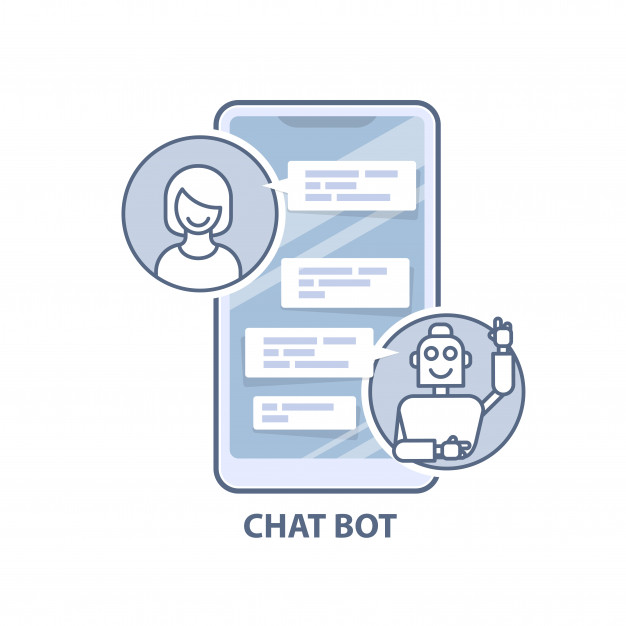
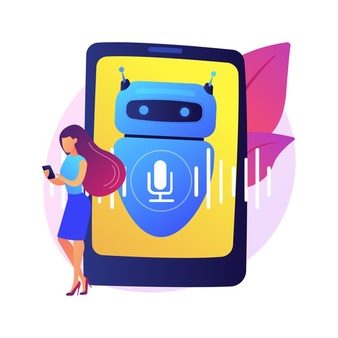
A virtual assistant, by contrast, extends its capabilities beyond a chatbot by expanding multichannel use with voice and text, and adding the ability to execute actions on company systems, while it can also draw on value-added features such as biometrics for security or the personalization of services.
The Evolution of Virtual Assistants
In little more than a decade, voice-activated assistants grew in number, variety and visibility. For years the four benchmarks were Siri (Apple), Google Assistant (Google), Cortana (Microsoft) and Alexa (Amazon). In 2026 the map has changed: Cortana was retired as a consumer assistant in 2023 and the center of gravity has shifted to generative AI conversational assistants and autonomous agents.
Big tech companies and businesses of all sizes are betting on artificial intelligence. In this regard, Telefónica and Aura, its AI assistant, still hold a relevant place in the Spanish market as one of the first telco initiatives in this field.
The first significant launch was Siri, introduced in 2011. Today, Siri has been renewed with Apple Intelligence (announced in 2024 and rolled out progressively in 2026 and 2026, with some delays), remaining the assistant of the Apple ecosystem. Its value no longer lies in reporting the weather, but in integrating with the user’s data and services.

The Market Leaders in 2026
Google evolved its offering from Google Now (2012) and Google Assistant (2016) to Gemini, its generative AI model, which integrates search, context and actions into a conversational experience. The company has moved from answering queries to offering a copilot capable of reasoning and acting on the user’s information.
Microsoft introduced Cortana in 2013 and launched it in 2015 as a personal assistant for its devices. However, Cortana was retired as a consumer assistant in 2023 and no longer exists for end users. Microsoft redirected its strategy toward Copilot, a generative AI assistant focused on productivity and the business environment.
Amazon launched Alexa and the Echo speaker in 2014 and popularized the home assistant. In recent years, Alexa has lost traction: the division has suffered cutbacks and the devices have less prominence, although it remains present in many households. Amazon has backed a generative AI model, Alexa+, to regain relevance by offering more natural responses and agent capabilities.
How to Create a Virtual Assistant
When designing a conversation, there are details that must not be overlooked. Unlike chatting with a person, with a virtual assistant it is advisable to map the interactions to guarantee the best experience. Today, generative models reduce the need for rigid trees, but it is still essential to define objectives, use cases and limits of action.
Flow Diagram
This remains a crucial point when designing an assistant, even with generative AI. Pen and paper are enough, plus a clear picture of the conversation in your head: the idea is to structure the options in advance to guide the assistant.
By designing interactions through flows you build a decision tree with a mother question and different nodes associated with responses. At each step, the user selects an option and follows the thread until reaching the information or the action they are looking for. With generative AI, these flows are combined with free language understanding, but it is advisable to keep guided paths for critical cases.

It is important to keep in mind that flows are part of the assistant’s functionality and are therefore not the center of the conversation.
There are assistants that run 100% on flows and offer limited responses; the user has no freedom to ask beyond what is preconfigured. How will the user feel when unable to find a solution to their problem? If you want customers to resolve their issues, you must combine flows with natural language understanding and good conversational design.
On the other hand, adding flows will help you guide customers when they are unsure what information they are looking for.
Getting Down to Work
With the scheme done, it is time to move to the platform.
An example of a platform is Cosmobots , a simple and intuitive digital tool for creating virtual assistants and chatbots. In 2026 there are also platforms based on language models that allow deploying agents connected to a company’s data.
A practical way to organize the skeleton of the conversation is to divide it into separate paths, which makes the assistant’s actions easier to understand and makes the conversation flow better.
With the sequences created, pay attention to the text. Before writing, be clear about who your audience is and, from there, define the responses across the different channels. This ensures closeness, retention and a pleasant experience.
Process and Natural Language Understanding (NLP and NLU)
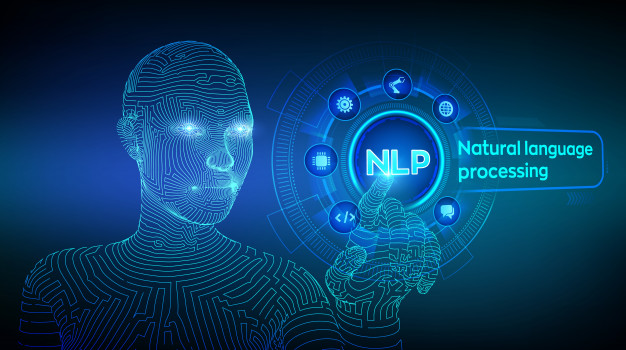
Natural language processing (NLP) breaks the user’s request into sentences and words, standardizing the text before analyzing it. In 2026, large language models (LLMs) perform this task together with intent, context and sentiment analysis far more robustly than classic systems.
Natural language understanding (NLU) helps the assistant understand what the user is saying using general and domain-specific language objects. These objects are combined with algorithms or rules to build dialogues that tell the assistant how to respond and, today, also which actions to execute.
Natural Language Generation (NLG)
Delivering a memorable and personalized experience, beyond prefabricated responses, requires natural language generation. The assistant can query data repositories (back-end systems and databases) and use that information to create a response. With generative AI, NLG reaches a far higher level of fluency and precision.
Conversational AI technology takes NLP and NLU to the next level, enabling advanced dialogue systems that use memory, preferences and contextual understanding to deliver a natural language interface that is realistic, engaging and — most importantly — capable of acting.
Reports and Data Analysis
It is necessary to monitor, from time to time, the conversations and the data they generate.
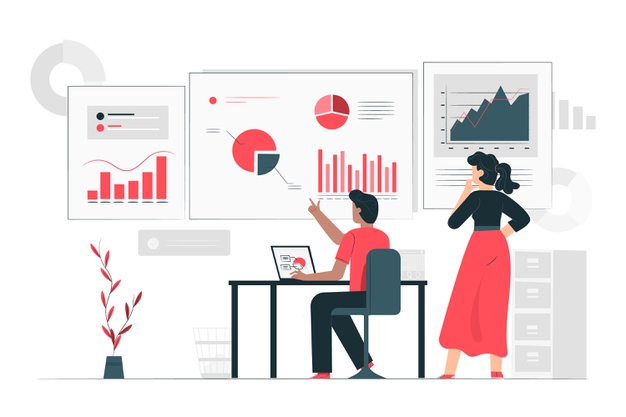
By extracting reports, you will gain valuable insight into your business, customers and prospects.
In the AI era, it is essential to have a tool that measures user expectations, opinions and comments. A virtual assistant can be a great channel for listening to your audience and, with the right governance, an engine for process automation.
Startups and AI Agent Platforms
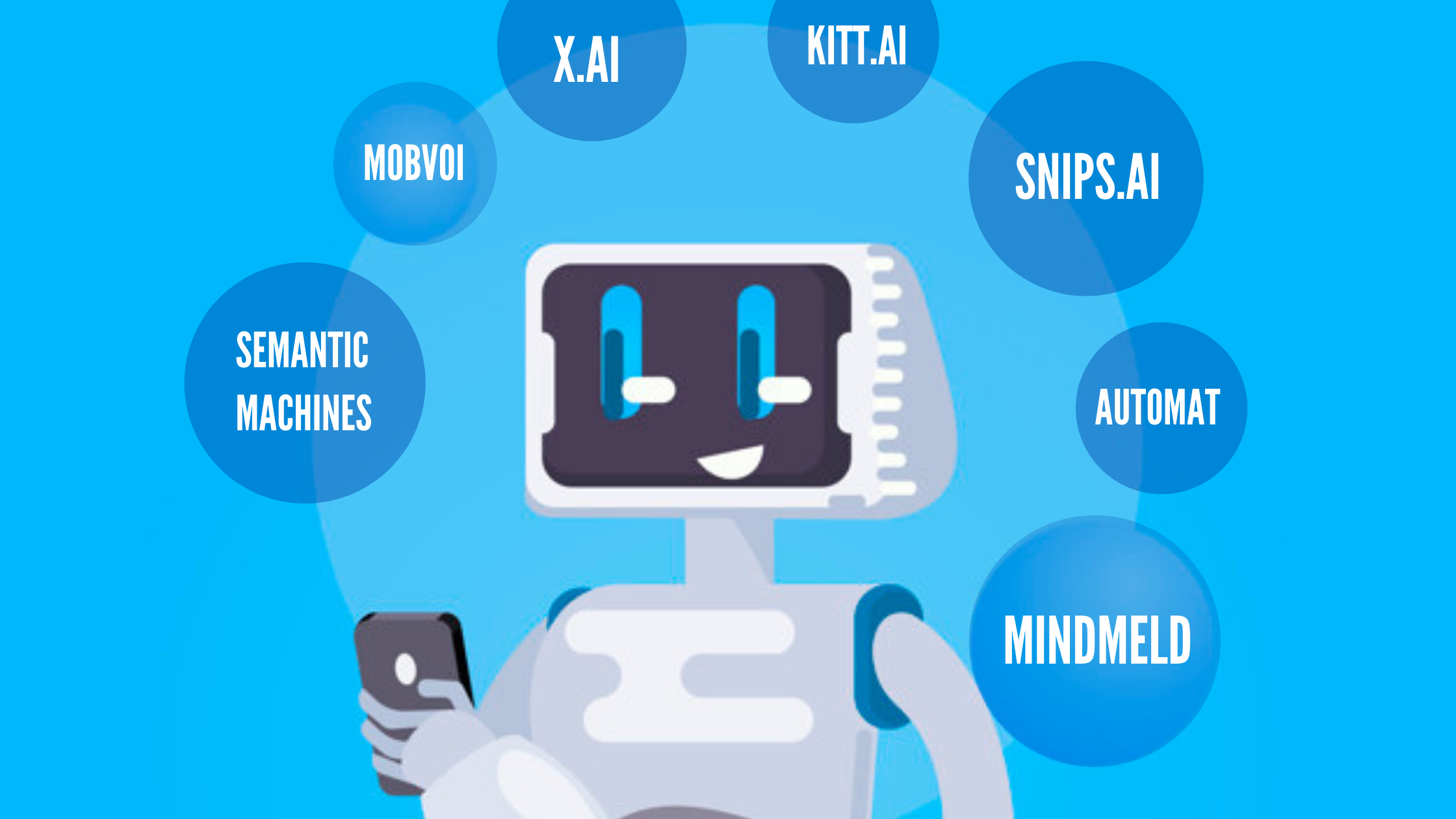
The ecosystem has stopped revolving around large corporations. In 2026, startups and platforms focused on autonomous AI agents are proliferating: systems that combine generative models, connectors to enterprise data and governance to execute tasks from start to finish, from customer service to internal process automation.
Conclusion
Now that you know how to create a virtual assistant and how the market has evolved, it is time to explore this universe of opportunities.
It is important to keep in mind that AI is a strategic element for business transformation and offers enormous business benefits. Beyond improving productivity, the technology can improve working conditions by taking over routine tasks and allowing professionals to focus on what adds the most value to the company.
2026 Takeaways
The virtual assistant market has turned upside down since 2020. Cortana disappeared as a consumer assistant in 2023; Alexa has lost traction despite remaining in households and despite Amazon’s bet on Alexa+; and Siri has been renewed with Apple Intelligence, with rollout in 2026-2027 and some delays. Today’s leaders are generative AI conversational assistants (ChatGPT, Gemini, Copilot and Claude) and, above all, autonomous agents that execute tasks.
For companies, the value no longer lies in asking about the weather, but in integration with company data, process automation and agents with clear governance. The challenge is no longer technological; it has become one of design, security and strategy.
Want to take your AI assistant or agent to the next level? Talk to BAOSS and we will design with you the solution that fits your data and your processes.
Prefer to talk to us directly? Contact the BAOSS team and tell us about your challenge.
Related articles: Why “Applying AI” to Your Broken Processes Just Makes the Garbage Go Faster / Why “Applying AI” to Your Broken Processes Just Makes the Garbage Go Faster.