
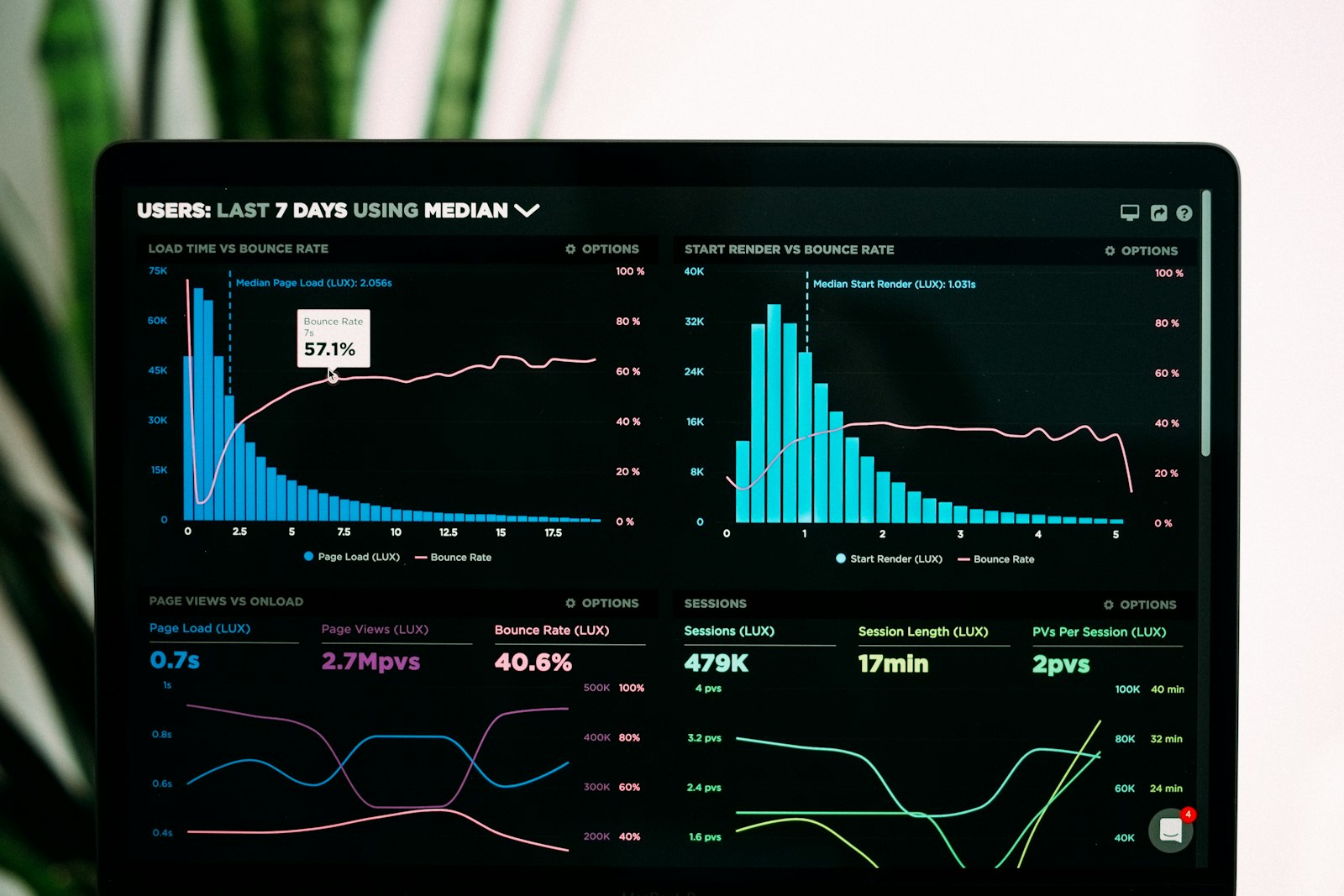
First we reviewed what big data is. Then we saw how analytics squeezes its potential. However, one practical question remains: which tools does the business actually interact with? So, a dashboard is only useful if the tool behind it connects, models and visualises without friction. That is why, in this guide, you will find the 10 most solid Business Intelligence (BI) tools for your company on the market.
What a BI tool must do
Above the fashion, a good BI tool does three things. First, it connects disparate sources. It also enables data modelling. Finally, it delivers visualisations that any manager understands. In short, the goal is clear: decide with data, not with intuition.
The catalogue: the 10 Business Intelligence (BI) tools for your company
| Tool | Profile | Strength |
|---|---|---|
| Tableau | Large enterprises | Advanced visualisation and ecosystem |
| Microsoft Power BI | SME to corporation | Integration with Microsoft 365 |
| Qlik Sense | Associative analysis | Exploration without fixed paths |
| Looker | Cloud (Google) | Centralised semantic modelling |
| IBM Cognos | Corporations | End-to-end management control |
| Google Data Studio | Marketing/Web | Free and Google-native |
| Metabase | Open source | Lightweight and self-hostable |
| Sisense | Embedded BI | Analysis inside your product |
| Spotfire | Data science | Discovery and prediction |
| Apache Superset | Open source | Scale and full control |
How to choose without going wrong
- First, data maturity: if your sources are chaotic, prioritise governance over the tool.
- Also, self-service vs. centralised: will the business use it, or only IT?
- Then, total cost: licence, training and maintenance. Not just the list price.
- Lastly, data exit: avoid locking your analytics in (lock-in).
The most common mistake
That is: buying the most powerful tool and expecting the data to speak for themselves. However, without a clear data model and a defined use case, BI becomes a pretty, abandoned dashboard. To avoid it, count on the right technology partner. Technology is, therefore, 30%. That is, purpose and governance are 70%.
At BAOSS we help you choose and implement the BI tool that fits your maturity. We also connect your sources and design dashboards the business actually uses.
In short: don’t know which BI tool fits your company? So, talk to our consulting team.
Prefer to talk to us directly? Contact the BAOSS team and tell us about your challenge.